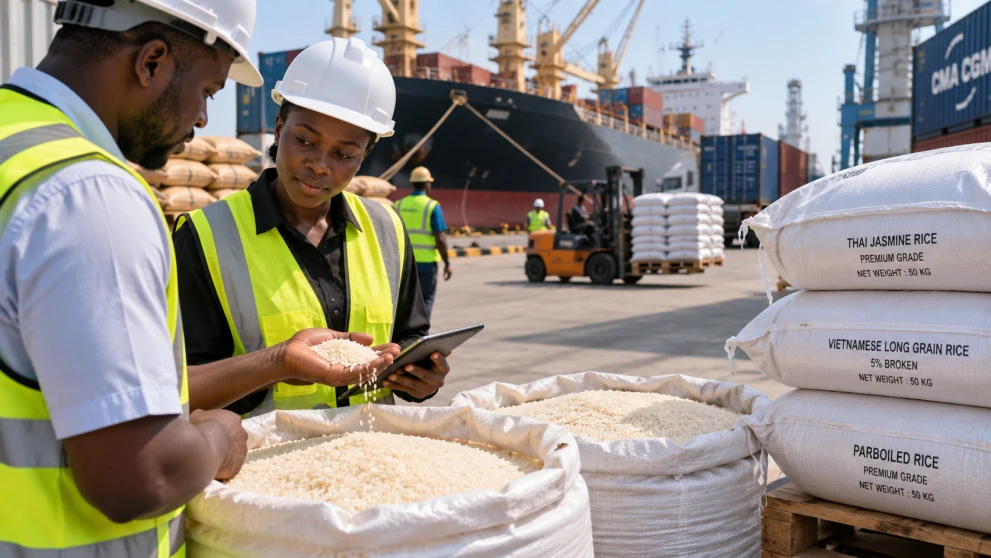
Rice is one of the most heavily traded staple commodities in the world, and one of the easiest to get wrong on price alone. Two shipments quoted at a similar cost per tonne can differ substantially in grain quality, cooking behaviour and shelf performance, depending on where the rice comes from and how it is graded.
Origin shapes the product, not just the price
Thailand, Vietnam and India each offer a distinct sourcing profile. Thai origin covers 100% Jasmine rice, long grain white rice and Hom Mali rice, generally associated with aromatic quality and consistent grain length. Vietnamese origin includes 100% broken rice, Japonica rice and long grain white rice, often selected for cost efficiency and specific culinary uses. Indian origin brings parboiled rice into the mix, valued for its texture and shelf stability in warmer climates.
Buyers who only compare price per tonne across these origins are comparing different products. The right sourcing decision starts with matching grain type and grade to the end market, not the other way around.
Beyond rice: a wider commodity basket
The same logic applies across other agricultural staples: sugar, coffee, cashew nuts, cocoa, cooking oil, corn flour and pasta products such as spaghetti and macaroni. Each of these commodities carries its own grading standards and seasonal price patterns, and sourcing teams need visibility across multiple origins to secure competitive terms consistently, rather than depending on a single supplier relationship.
What competitive sourcing actually requires
In practice, competitive agricultural sourcing across Africa depends on three things: access to multiple verified origins, an accurate read of grade and specification requirements, and logistics coordination that keeps landed cost predictable. Knowis Group Investments sources rice from Thailand, Vietnam and India alongside the wider commodity basket above, and extends that same sourcing discipline to any other agricultural product a client requires, benchmarking price across origins throughout Africa and beyond.
For buyers, the practical lesson is to ask suppliers not just for a price, but for the origin, grade and specification behind it. That detail is what determines whether a shipment meets expectations once it reaches the market.
Logistics can undo a good sourcing decision
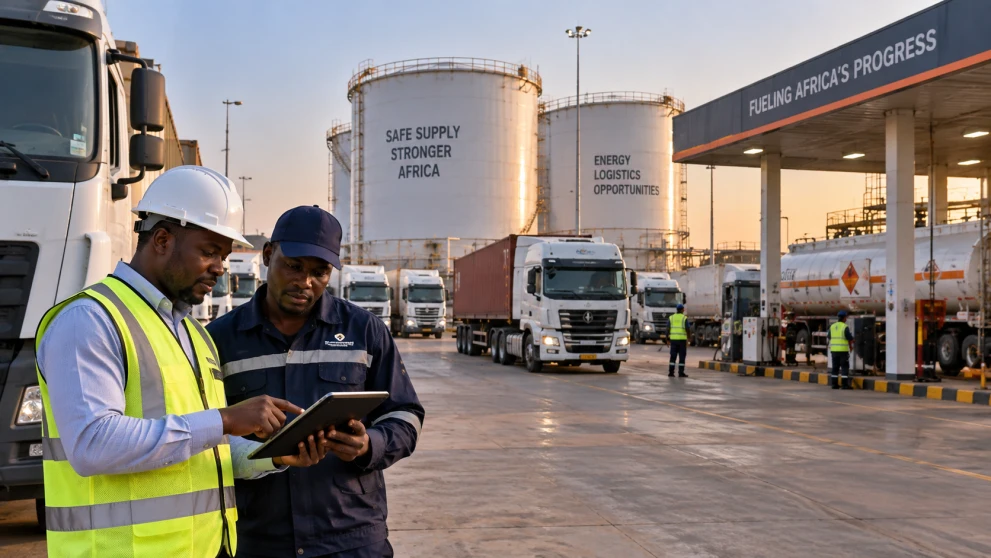
Even a well-chosen origin and grade can lose its value if the shipment does not land on time or in good condition. Rice and other staple commodities are sensitive to storage conditions, humidity and handling during transit, which means the sourcing decision does not end once a supplier is selected. Buyers need visibility into vessel scheduling, port handling and inland transport before they can be confident that the product they specified is the product that actually arrives.
Building a resilient sourcing strategy
The most resilient approach for African buyers is to avoid dependence on a single origin or supplier, however competitive its pricing looks at any given moment. Currency movements, harvest conditions and export policy can all shift the economics of a particular origin from one season to the next. Maintaining relationships across Thailand, Vietnam and India for rice, and across multiple suppliers for sugar, coffee, cashew, cocoa, cooking oil, corn flour and pasta, gives buyers the flexibility to shift sourcing when conditions change, without disrupting supply to their own customers.
Ultimately, competitive agricultural sourcing is less about finding the single cheapest quote and more about building a sourcing network resilient enough to deliver consistent quality and price across market cycles. That is the discipline behind matching each client's requirements to the right origin, grade and supplier, season after season.